
Health Risks of Nail Biting You Should Know
It might not seem like it at first, but biting your nails can lead to a surprising number of health problems.
Beyond ragged nails and the potential embarrassment of how they look, the risks range from infections to long-term damage to your teeth.
Understanding why you shouldn’t bite your nails is an important step toward breaking the habit.
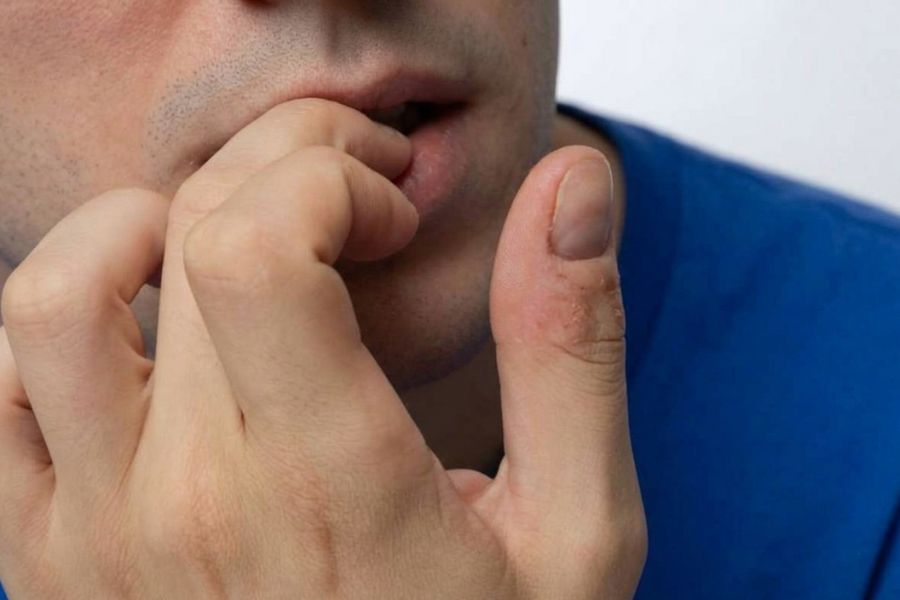
When you bite, you are actively bypassing your primary immune barriers, leading to three specific categories of health risks:
- Structural Damage: Repetitive mechanical pressure can permanently alter your dental alignment and scar the nail matrix, leading to irreversible deformities.
- Systemic Exposure: Your fingernails are a primary vector for pathogens. Biting provides a direct gateway for seasonal viruses and gastrointestinal bacteria to enter your system.
- Infection Cycles: Creating open wounds (micro-tears) in the cuticle area invites localized bacterial infections like Paronychia, which can lead to permanent tissue damage if left untreated.
Dental Problems and Jaw Issues
Frequent nail biting doesn’t just damage your fingernails. It wears down your teeth.
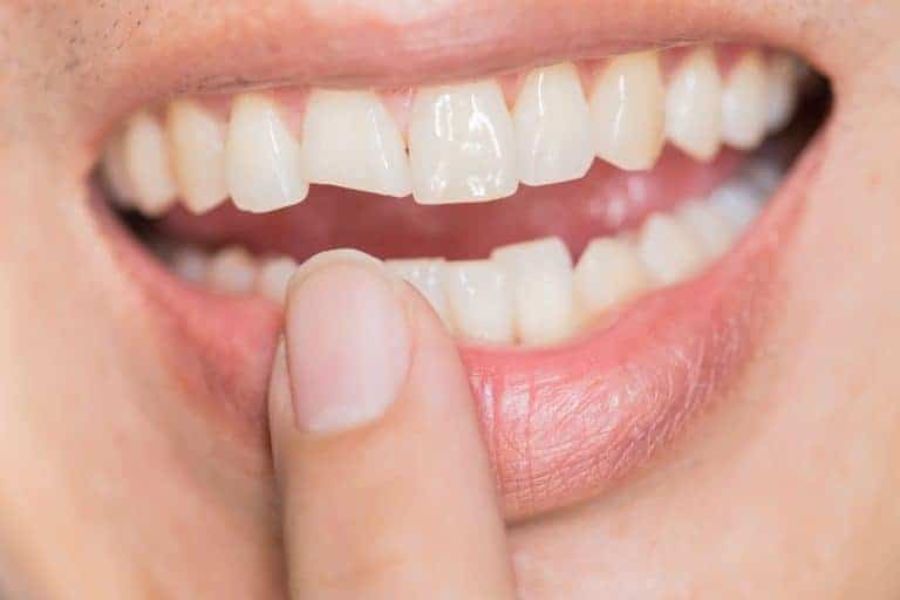
Teeth weren’t meant to sustain that kind of stress on a daily basis. The pressure and grinding motion can cause chipping, enamel erosion, and even misalignment over time.
Dentists warn that chronic nail biting may also contribute to temporomandibular joint (TMJ) disorders due to the stress it puts on the jaw.
Signs to Watch For:
- Chipped or uneven teeth
- Jaw click or soreness (TMJ)
- Increased tooth sensitivity

Skin Damage and Nail Bed Infections
The skin around your nails, called the cuticle and nail folds, can become raw, cracked, and prone to painful infections.
One common infection is paronychia, which causes swelling, redness, and pus around the nail. If untreated, these infections may require antibiotics or drainage.
Signs to Watch For:
- Painful swelling or redness around the nail
- Pus or localized warmth
- Abscesses that may require draining
Oral Germ Transfers & Weakened Immune Responses
Your hands touch countless surfaces throughout the day, which can contain all different kinds of germs and bacteria.
When you bite your nails, bacteria and viruses go from the fingertips, to your mouth, and into the stomach. This can lead to stomach pains.
Studies have also shown that nail biters are more likely to harbor Enterobacteriaceae, bacteria linked to gastrointestinal infections. This raises the risk of stomach issues, colds, and even more serious infections.
Signs to Watch For:
- Frequent colds
- Unexpected digestive discomfort or upset stomach

Long-Term Nail & Finger Deformities
Chronic nail biting can permanently change the way your nails grow.
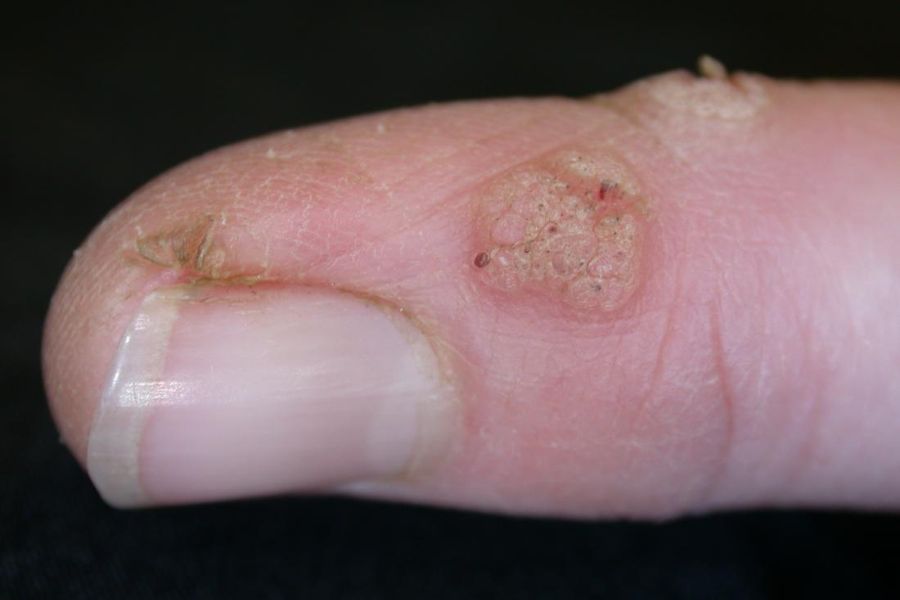
Dermatologists have also noted links between nail biting and skin conditions like periungual warts growing around the nails.
These warts are formed by the human papillomavirus (HPV) which enters the skin through a cut or scrape.
Signs to Watch For:
- “Clubbing” or rounded, shortened nail beds
- Ridges or permanent bumps in the nail plate
Psychological Toll
Though not always a direct “health risk,” the psychological burden of nail biting shouldn’t be ignored.
People often feel shame, embarrassment, or stress when others notice their bitten nails. This cycle of anxiety can worsen the habit, reinforcing both the emotional and physical damage.
Taking Back Your Health
Nail biting is more than a nervous quirk. It’s a behavior with real consequences for your health.
Awareness is the first step, and with the right tools, breaking the habit is entirely possible.