
How Biting Your Nails Impacts Your Teeth & Mouth
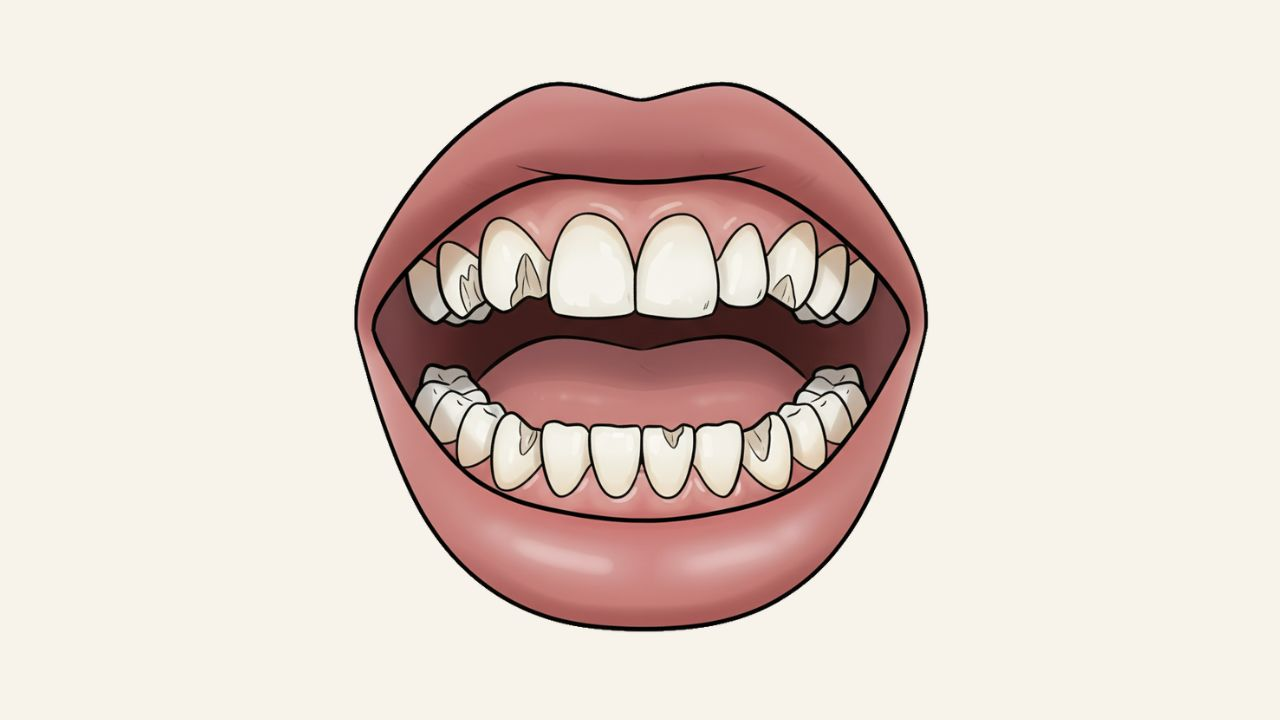
For many nail biters, the long-term issues can extend beyond just the fingernails and into your mouth.
Dentists often see the hidden damage caused by nail biting from small cracks to long-term shifts in alignment.
The bottom line is teeth aren’t meant to take on the pressure and stress of biting nails. Unlike food, nails don’t break down easily, which means your teeth end up doing the extra work.
If you’ve been biting for years, the effects on your mouth can be more serious than you might expect, and may require intervention from a dentist.
Shifting Teeth
Every time you bite down on a fingernail, you’re applying constant sideways pressure on your front teeth.
Over months or years, this pressure can push your teeth slightly forward or inward, creating small gaps or making them look crowded.
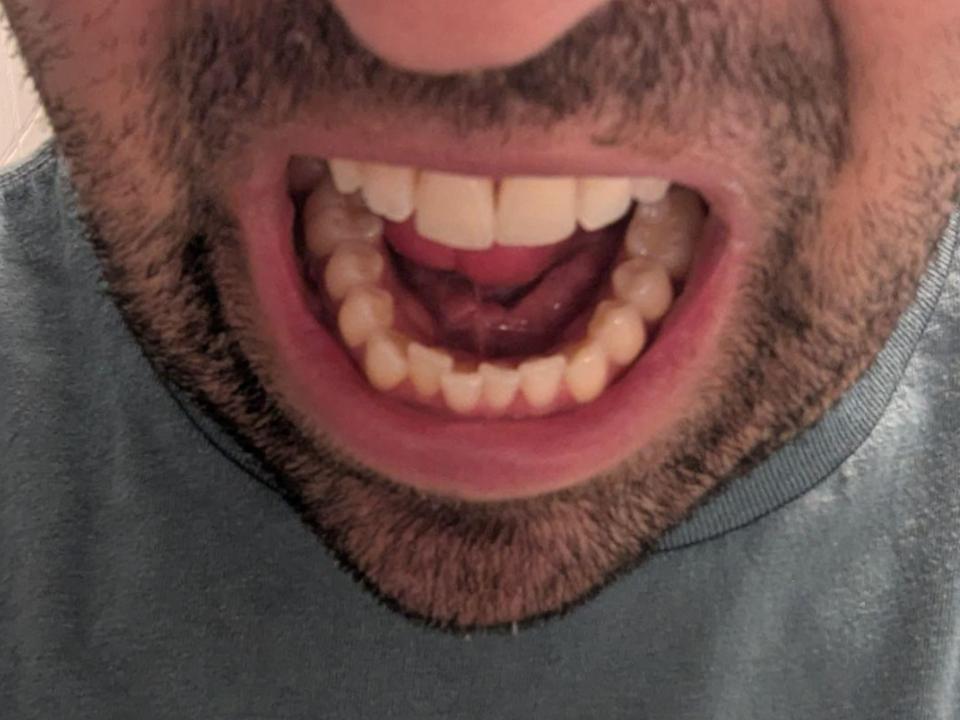
For people who’ve already had braces, nail biting can undo some of that orthodontic work and cause you to go through that process again.
Cracks and Chips
Your nails are tough, and your teeth weren’t designed to act like clippers. The repeated stress can cause tiny fractures in the enamel.
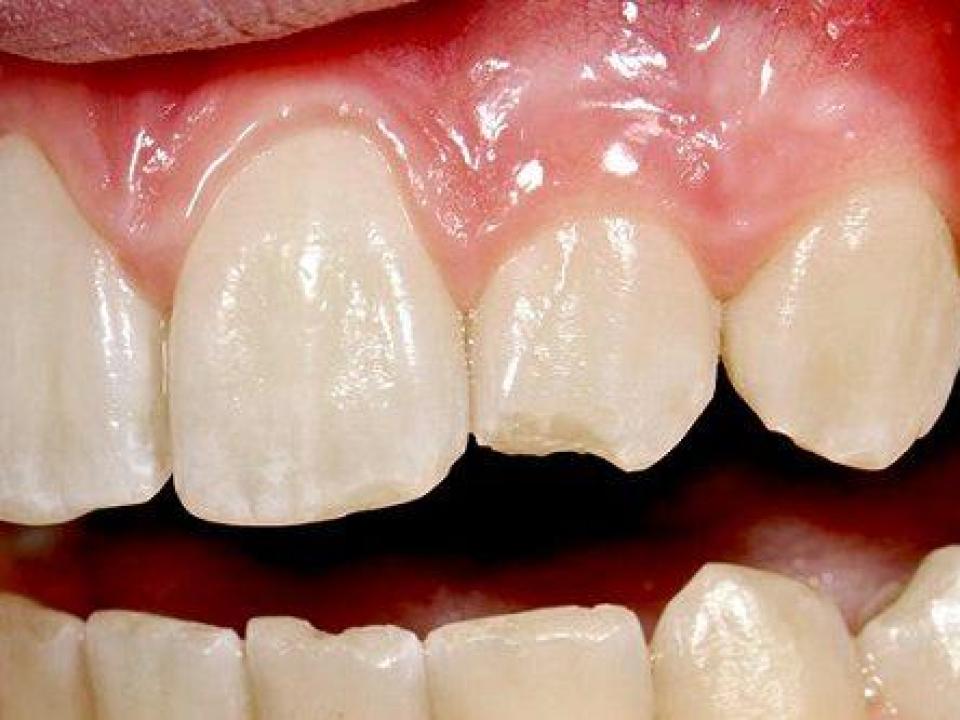
While these micro-cracks may not be visible at first, they weaken the tooth structure and make your teeth more likely to chip when biting into something harder, like ice or nuts. In severe cases, the pressure can even lead to vertical cracks that require more extensive dental repair.
Worn Edges
Teeth naturally wear down over time, but nail biting accelerates the process. The front edges of your incisors, in particular, can become uneven and flattened.

This doesn’t just change your smile’s appearance — it can also make your teeth more sensitive to temperature changes and more vulnerable to further damage.
Bruxism (Teeth Grinding)
Nail biting and bruxism often go hand-in-hand. Both involve repetitive jaw clenching, and the habit can condition your muscles to stay tense even at night.
This worsens grinding during sleep, accelerating enamel erosion, causing tooth sensitivity, and straining the jaw joint.
Worse yet, the grinding aspect can turn into a habit just like the nail biting.
Jaw Strain & Lockjaw
Biting nails also stresses the muscles and joints that control your jaw.
Overuse of these muscles can contribute to temporomandibular joint disorder (TMJ) which may cause pain, popping or clicking sounds.
In some cases, there is difficulty opening or closing your mouth. In severe cases, this can trigger lockjaw episodes, where your jaw temporarily gets “stuck.”
Gingivitis & Gum Irritation
Your nails carry bacteria and debris that don’t belong in your mouth. Each bite pushes these germs against your gums, which can cause inflammation.
Over time, the risk of gingivitis, an early stage of gum disease, increases. Redness, swelling, and bleeding when brushing are common early warning signs.
Fixing Teeth After Nail Biting
If you’ve been a chronic nail biter, you may already notice the effects. The good news is, dentistry offers several ways to repair the damage.
You’d first want to stop your nail-biting habit so you don’t have to go through multiple fixes.
- Cosmetic bonding or veneers can cover chips and restore the natural shape of your teeth.
- Orthodontic treatment (like Invisalign or braces) can correct shifting or gaps.
- Bite guards can help protect teeth from further damage while you work on quitting the habit.
- TMJ therapy — including physical therapy, exercises, or bite splints — may relieve jaw pain or prevent lockjaw episodes.
Breaking the Habit
Repairing your teeth is important, but preventing further damage matters just as much.
The first step is to bring it up at your next dental appointment. Many people feel embarrassed, but dentists see nail biting damage all the time and can guide you toward the right fix.