
How to Stop Biting Your Nails
Nail biting is a behavioral habit rooted in emotional regulation, stress, and the brain’s reward pathways.
It requires an understanding of the triggers and adopting strategies that change your inherent habit of biting.
This guide explores multiple avenues for breaking nail biting, from behavioral replacements to psychological techniques, professional interventions, and lifestyle changes.

Understanding Your Habit. Why Are You Biting Your Nails?
Nail biting is rarely random. It’s usually triggered by certain behavioral states or situations. Stress and anxiety are the most common culprits, but boredom, concentration, or a simple desire to fix rough nails also play a role.
It’s also hard to quit. I know. I’ve been biting my nails since I was a child. For years, it has been a constant struggle to stop.
Tracking your biting habits can uncover hidden patterns. Writing down when and where you bite, how you feel, and what’s happening around you creates insight into your triggers.
Recognizing these triggers can make it easier for you to intervene before the behavior starts, giving you a better chance of replacing it with a healthier response.
Identifying Your High-Risk Moments
Breaking the habit is easier when you have a specific plan for your biggest triggers. Check out our deeper divers for these common scenarios:
Behavioral Strategies with Habit Replacement
Behavioral strategies focus on modifying your actions and environment to make the habit more difficult and the replacement easier.
It is often the most immediate and practical way to stop biting your nails.
Habits are described as a loop consisting of three parts: the cue (trigger), the routine (habit), and the reward (benefit). Changing the routine of nail biting with something else can train your brain to respond to the reward differently.
Over time, these replacements weaken the automatic link between your triggers and nail biting, making it easier to resist.
The Replacement Strategy
Giving your hands and mouth something else to do is the simplest and oftentimes the most effective solution.
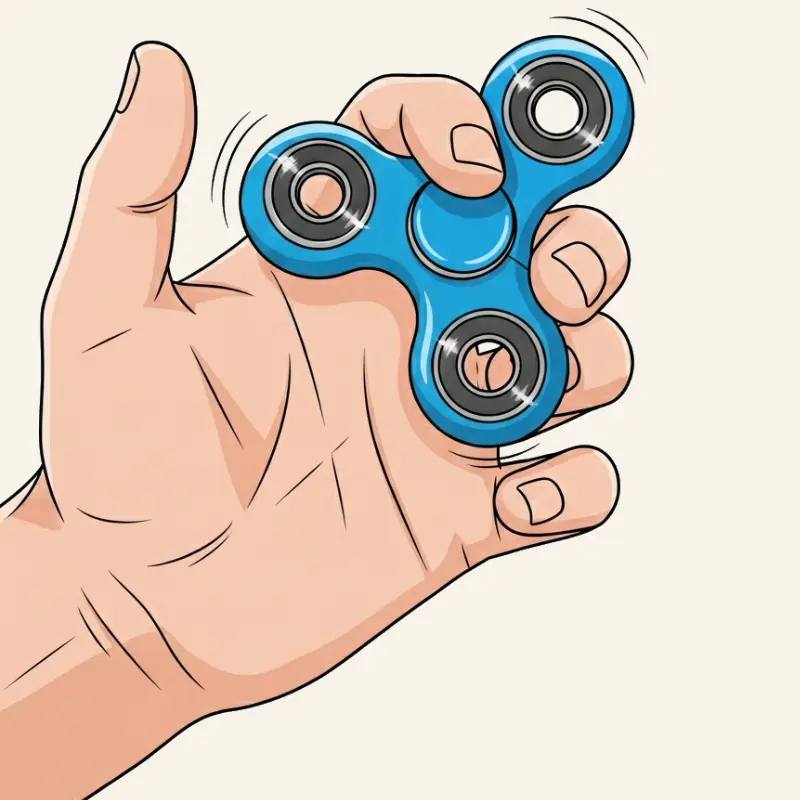
Each time you catch yourself about to bite, reach for a fidget or gadget. You’re teaching your brain a new association for your urge to reach your fingernails.
Primary Items
- Fidget spinners or other gadgets
- Chewing gum
- Eating light snacks
The Barrier Strategy
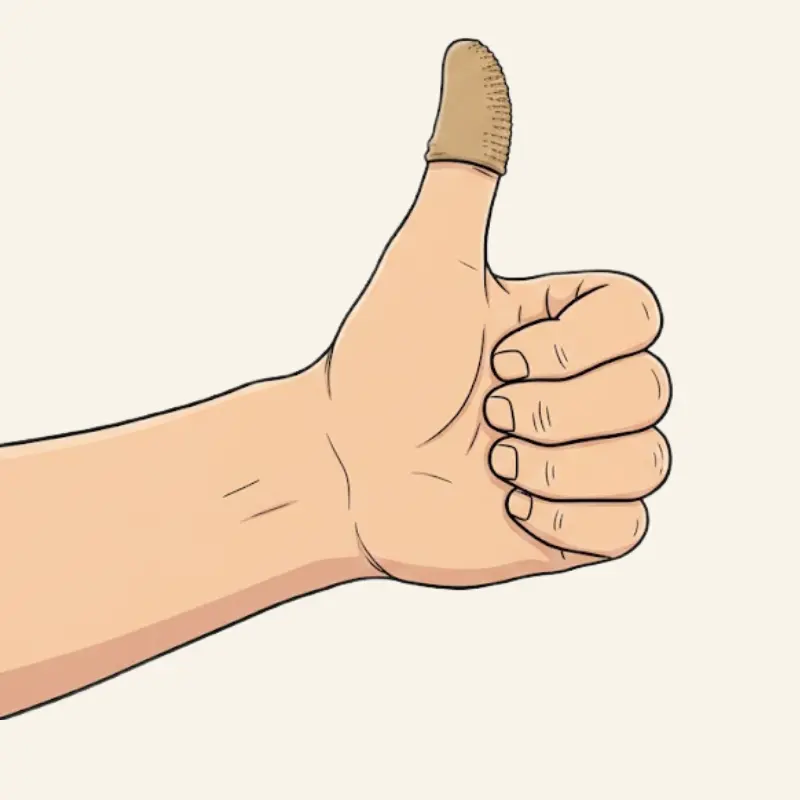
Sometimes the most effective strategy is to make biting nails physically difficult or unpleasant.
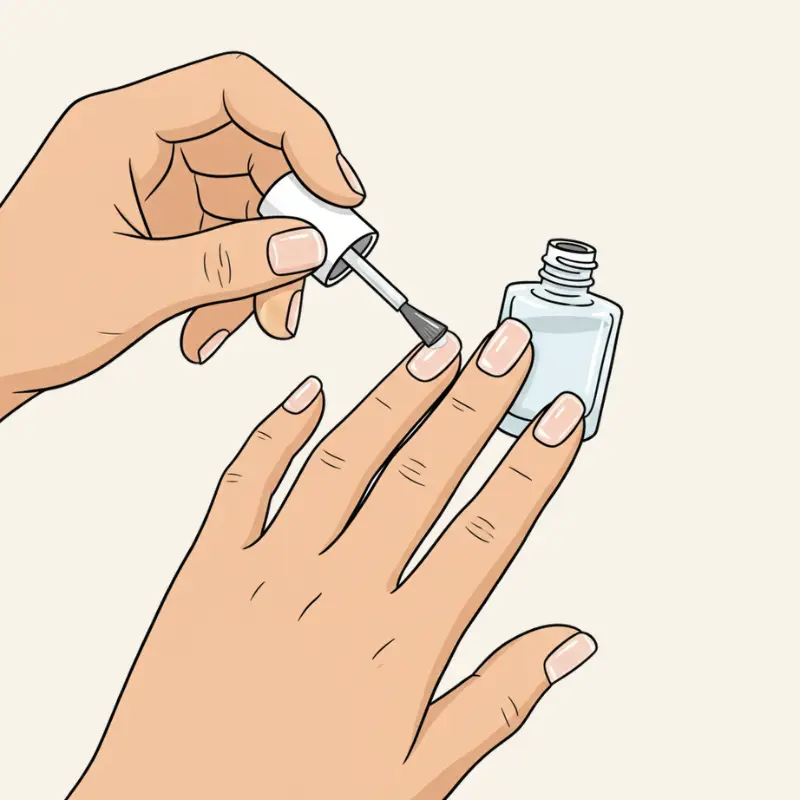
Applying a bitter-tasting nail polish is one of the oldest tricks in the book, and for good reason. It creates an immediate negative feedback loop. The unpleasant taste breaks the unconscious flow of biting and makes you more aware of the habit.
Primary Items
- Bitter nail polish
- Wearing gloves
- Finger covers or bandaids
The Maintenance Strategy
One of the most overlooked motivators is making your nails look so good that you don’t want to ruin them.
For many, the cost and effort of a manicure is motivation enough to stop biting.
Watching your nails grow healthier and stronger becomes a source of motivation that keeps you moving forward.
Primary Items
- Manicures
- Painted nails
- Nail-strengthening products
Psychological Approaches
Nail biting isn’t always just about keeping your hands busy, but what’s happening in your mind. It is a Body-focused repetitive behavior (BFRB). By definition, these behaviors are hard to stop.
Stress and anxiety play a powerful role, which is why psychological approaches can be so effective.
These strategies focus on building awareness, managing emotional triggers, and rewiring the way your brain responds to urges.
While some methods can be practiced on your own, it is best to be done with the support of a trained professional.
Mindfulness & Stress Management
One of the most common triggers for nail biting is stress. When tension builds, biting becomes a quick way to release nervous energy.
Mindfulness techniques can help break this cycle by teaching you to pause and notice how you’re feeling before you act.
It can be as simple as taking a few deep breaths when you feel the urge to bite, or doing a quick body scan to notice where you’re holding tension.
Over time, this awareness makes the habit less automatic.
Mindfulness teaches observation without reaction. The goal is to pause and respond consciously, breaking the automatic habit loop.
Habit Reversal Training (HRT)
HRT works by teaching you to recognize the situations that trigger a habit and replace it with something else. It is a structured method that involves three steps:
- Awareness training: Recognizing the urge and understanding when it happens.
- Competing response: Performing a deliberate, non-damaging action instead.
- Reinforcement: Tracking progress and rewarding successes.
HRT has been shown to significantly reduce nail biting and other BFRBs when practiced consistently. A great resource can be found here.
While the idea of substitution may sound simple, full HRT is usually taught and practiced with a trained mental health professional.
Professional and Therapeutic Interventions
For some people, nail biting goes beyond a simple habit, and professional help may be necessary. They can provide structure, accountability, and tailored strategies that are difficult to achieve alone.
When to Seek Professional Help
If nail biting leads to chronic infections, permanent dental damage, or significant emotional distress/shame that interferes with your daily life, it may be time to consult a professional.
Seeking professional help doesn’t mean you’ve failed. It simply provides you with proven tools and accountability.
For lifelong nail biters, this kind of structured support can be the difference between constant relapse and long-term progress.
Long-Term Maintenance
Breaking the act of nail biting is just the start. Staying free from it requires patience and persistence.
Combining behavioral, psychological, and sometimes professional strategies is key. Track your progress over weeks and months, celebrate small victories, and accept setbacks as part of the process.
Over time, consistent replacement behaviors and awareness reduce the automatic pull of the habit, making healthier coping mechanisms second nature.
Try it Today: The Habit Reset Checklist
Breaking a lifelong habit is overwhelming if you look at the months ahead.
This checklist is designed to help you win the first week by focusing on small, manageable actions that build immediate momentum and protect your progress.
Your Journey Starts Now
By understanding your triggers, replacing harmful behaviors with healthier actions, and building routines that reinforce progress, you can regain control, and start to heal, your fingernails.
Every step, no matter how small, is a victory in retraining your brain and breaking free