
From Toddlers to Preschoolers, Why Children Bite Their Nails & How to Get Them to Stop

Childhood nail biting is one of the most common habits among young kids, often starting in the toddler years and sometimes continuing into school age.
While it can be frustrating to watch and worrisome for parents, most of the time it’s not a sign of something serious. Understanding why children develop this habit and how to gently guide them away from it can make the process much less stressful for everyone.
Why Toddlers Bite Their Nails
Children often bite their nails for the same reasons adults do, but the triggers may be more closely tied to their stage of development.
For toddlers, nail biting is often a form of self-soothing, much like thumb sucking or cuddling a blanket. It provides comfort when they are tired, anxious, or simply need reassurance.
Preschoolers, on the other hand, may bite their nails when they’re bored or curious. At this age, they’re exploring their bodies and experimenting with repetitive behaviors.
Sometimes, nail biting is just something to do with their hands when they’re idle. Another factor is learned behavior. If a parent or older sibling has the habit, children may copy it without even realizing.
Ultimately, the habit develops as a way of dealing with minor stressors, such as starting preschool, making new friends, or adjusting to daily routines. Because toddlers and preschoolers don’t yet have many coping tools, nail biting becomes an easy outlet.
Is it Harmful?
In most situations, nail biting in toddlers and preschoolers is harmless. If it happens occasionally and doesn’t cause pain, there’s often no immediate reason to worry. Many children grow out of it naturally as they develop new skills and interests.
Chronic nail biting, on the other hand, can cause damage to the skin around the nails, leading to hangnails, redness, or even mild infections. In rare cases, repeated chewing may impact dental health, especially if the child bites with force.
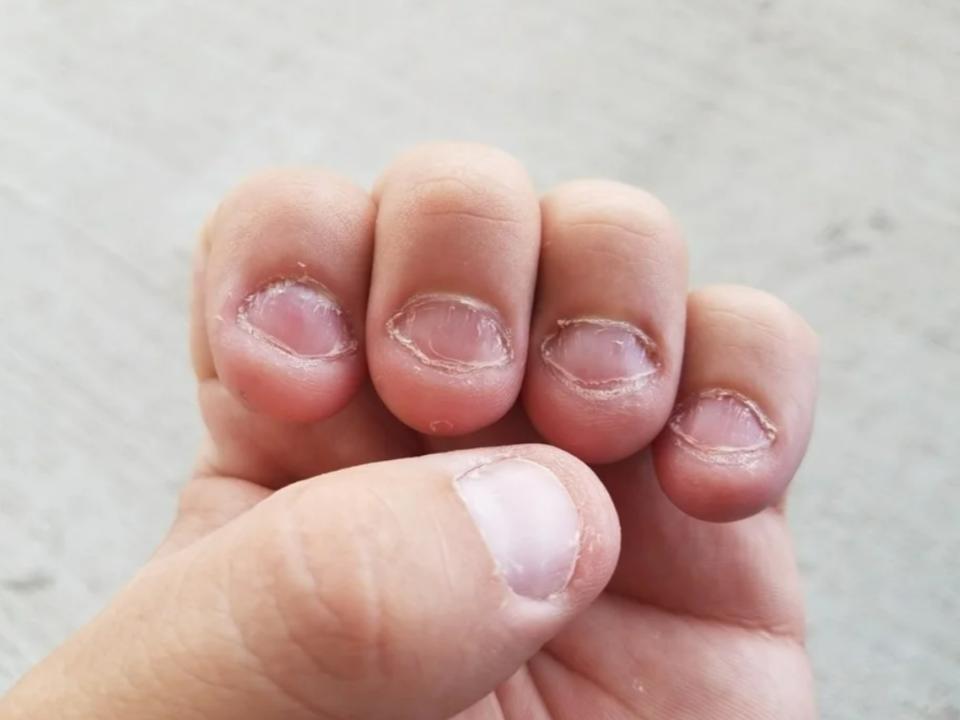
The key is watching for patterns. If nail biting is mild and occasional, it usually resolves with time. If it becomes intense, painful, or disruptive, it’s worth taking a closer look.
How to Help Your Child Stop Nail Biting
Breaking a habit in young children is tricky, especially when it’s unconscious. The most important thing parents can do is stay calm.
Scolding or punishing a child for nail biting often makes the problem worse because it adds stress, the very thing that can fuel the habit.
Consider these steps when looking to break your child’s nail-biting habit:
- Address the Cause. Try and figure out why your child is biting their nails. Are they going through a big change? Are they bored? Once you have an idea of the underlying reason, you can find ways to address it directly. If it’s anxiety, spend extra one-on-one time with them and offer reassurance. If it’s boredom, provide them with a hands-on activity like coloring or playing with clay.
- Be direct, but calm in your displeasure of the nail biting. As mentioned above, try and avoid scolding or giving punishments when you catch your toddler biting their nails. Instead, address it with a calm, but firm voice. “I love how nice your nails look when you don’t bite them. Let’s keep them that way!” A positive reaction goes a long way.
- Create a “Code Word” or Signal: Create a secret, fun, and non-embarrassing signal that you can use to remind them. It could be a gentle touch on the arm, a special hand signal, or a fun word that only you and your child understand.
- Offer a Positive Alternative: Instead of focusing on stopping the behavior, focus on replacing it. Give your child a fidget toy, a smooth “worry stone” to hold, or a plush toy they can squeeze when they feel the urge to bite.
- Keep Nails Short and Neat: A simple but effective solution is to frequently trim your child’s nails. There’s less to bite when their nails are short and smooth. This also helps with hygiene by preventing the transfer of dirt and germs.
- Try a Reward System: For some children, a reward chart can be a great motivator. Set a realistic goal, such as a star on a chart for each day they don’t bite their nails. When they reach a certain number of stars, they get a small prize, like a trip to the park, a new toy, or a fun sticker!
And perhaps most importantly, model healthy habits yourself. The entire household should be free of nail biting! Children copy what they see, so showing pride in your own nails can encourage them to do the same.
When to Get Guidance From a Professional
If nail biting is severe and persistent, seeking professional advice can be helpful. A pediatrician can rule out any underlying issues and provide reassurance.
In some cases, they may recommend behavioral strategies adapted for children. For more significant anxiety-related biting, a child psychologist can work with families to build coping tools.
Most children won’t need formal therapy, but knowing when to ask for help gives parents peace of mind and ensures the habit doesn’t develop into something more disruptive.
Helping Little Hands Break Free
Nail biting in toddlers and preschoolers is usually just a phase, a mix of curiosity, self-soothing, and modeled behavior.
The key is to approach it with understanding. Patience, gentle reminders, and a few creative strategies will help your child move past the Habit!