
How to Fix & Heal Bitten Nails
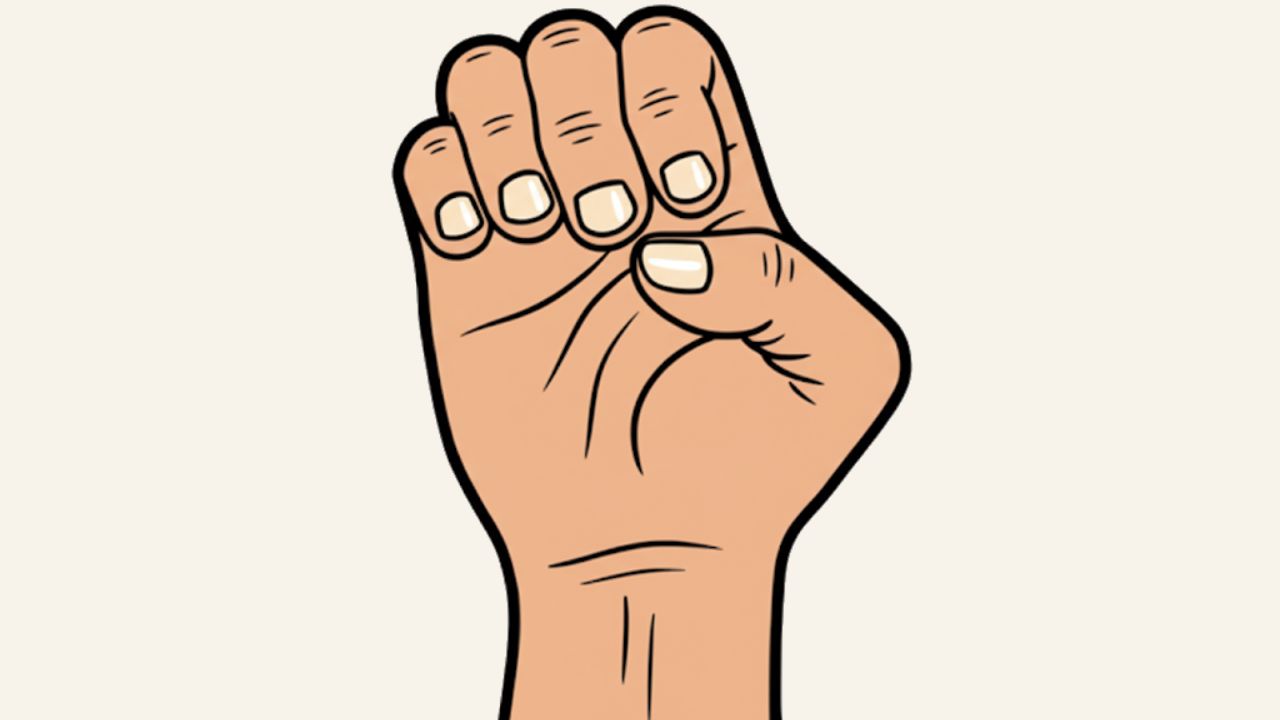
Years and years of nail biting can show some damage beyond just short tips. Redness, soreness, peeling skin, and misshapen nails can make your hands painful and look embarrassing.
The good news is that with patience and consistent care, you can repair and heal much of the damage and restore healthier nails.
You’ll Need to First Stop the Habit
Before you can truly repair the damage, the first step is to stop the nail biting altogether. Continuing to chew on your nails will undo any progress you make.
Breaking the habit might mean identifying your triggers, using substitutes like stress balls or fidget toys, or applying bitter-tasting nail polish as a deterrent.
If stress or anxiety plays a role, mindfulness or relaxation techniques can help reduce the urge.
Think of it like treating a wound. You can’t expect it to heal if you keep reopening it. Once the biting stops, your nails finally get the chance to regrow and strengthen naturally.
Trim & Clean the Right Way
You’ll need to give your nails a clean slate.
Wash your hands thoroughly and gently push back cuticles to remove dirt and bacteria that may have built up. A neat baseline will also make it easier to track progress as your nails grow.
Once they do begin growing back, it’s important to maintain them properly. It’s recommended to use a glass nail file rather than clipping to promote healthier nails.
Keep them at a manageable length so they don’t snag or split. Lightly file the tips to smooth any sharp corners. This not only protects the nail but also makes them look more polished as they heal.
Moisturize and Protect the Cuticles
Cuticles and the surround skin often take the biggest hit from the years of nail biting. Cracks and ragged edges can become painful or even infected.
Apply a thick hand cream or a nourishing oil around the nail bed several times a day. Keeping the skin soft makes it less likely to peel and helps new tissue grow in healthy.
For severe cases, a healing ointment like Aquaphor or Vaseline can act as a barrier to lock in moisture overnight.
Use Nail Strengtheners and Protective Coats
Damaged nails often split and peel as they try to grow back. A clear strengthening polish can reinforce the nail plate and provide a protective shield.
If you’re prone to chewing, the layer also adds a subtle reminder not to bite. Some people opt for bitter-tasting formulas, but even a standard nail hardener can make a difference.
Treat Hangnails Gently
Hangnails can be painful and are often a trigger for more biting.
Instead of pulling them off, which can lead to bleeding and infection, carefully snip them with clean nail clippers or small scissors. Follow with a dab of cuticle oil to prevent more from forming.
Manage Pain and Infection Risks
Chronic nail biting introduces a lot of health risks and infections. If your nails are sore or inflamed, soak your hands in warm salt water for a few minutes to soothe irritation and kill bacteria.
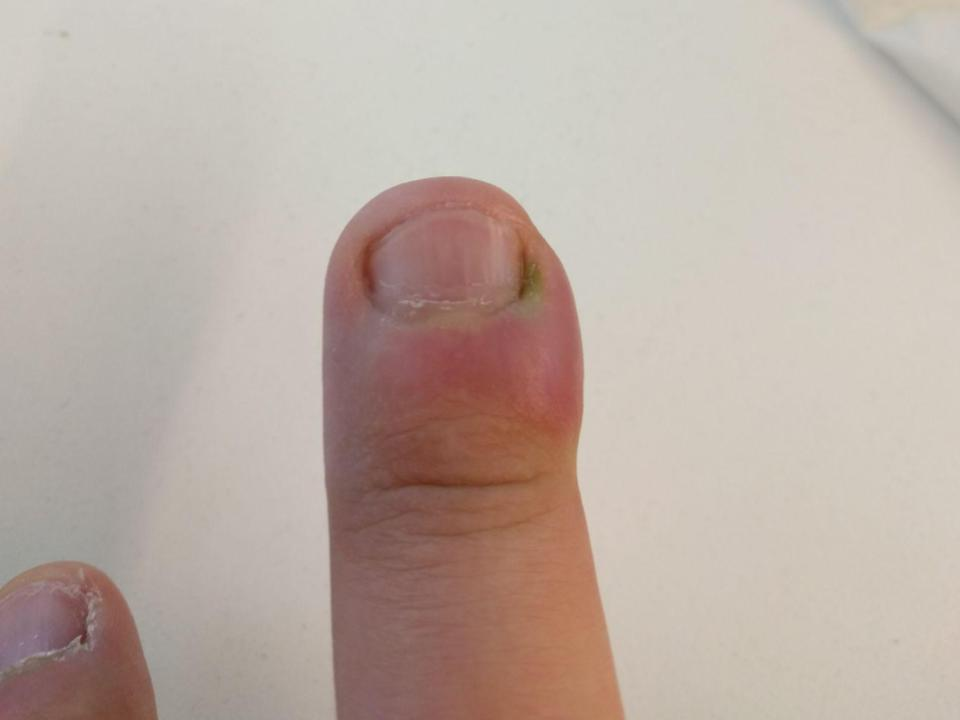
Small cuts around the nail bed can be treated with an over-the-counter antibiotic ointment.
If swelling, pus, or severe pain develops, it may be a sign of infection, and you should see a doctor for proper treatment.
Support Healthy Growth With a Nutritious Diet
Your nails grow from the matrix beneath the cuticle, so nutrition plays a big role in healing.
Eating a diet rich in protein, biotin, zinc, and vitamins A, C, and E helps nails grow stronger and faster.
Eggs, salmon, leafy greens, nuts, and beans are all great additions to your meals if you want stronger nails.
Treat Yourself to a Manicure
As your nails start looking healthier, consider getting a professional manicure. A skilled nail technician can shape your nails evenly, tidy up your cuticles, and apply a protective polish that discourages biting.
Beyond the cosmetic benefits, investing in a manicure can serve as motivation to keep your nails in good condition and resist the urge to bite.
Give Your Nails Time and Patience to Grow
Nails typically grow about 3.5 millimeters a month, so visible improvements won’t happen overnight.
Consistency and perseverance are key. Moisturize daily, avoid chewing, and care for your cuticles regularly.
Over time, you’ll see smoother nail edges, stronger tips, and healthier skin around the nail bed.